
Face toner: do you need one, and how do you choose hydrating, soothing or exfoliating care?
Sunday 04th October 2026
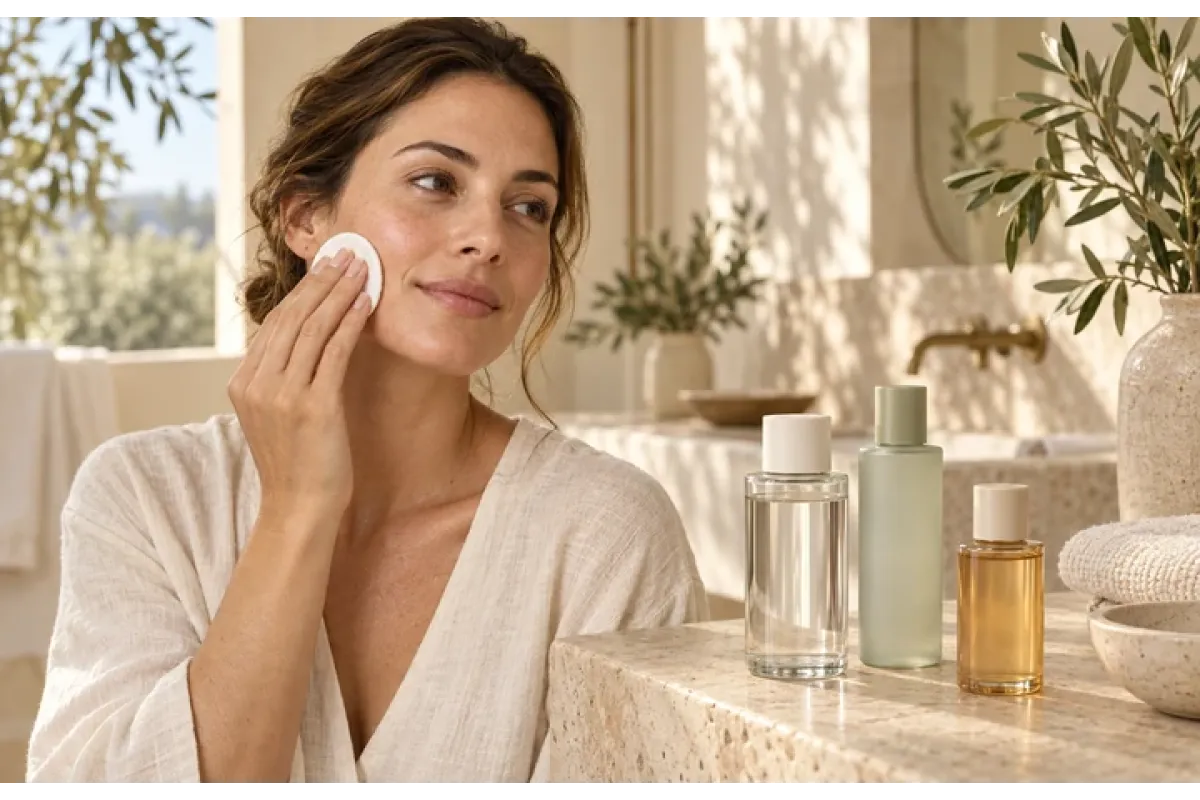
A face toner is often bought out of habit: you already have a cleanser and a cream, but the routine seems to need something between them. Yet a hydrating water, a soothing lotion and a fruit-acid formula sit side by side, with different purposes and directions. A useful choice starts by asking what you actually want to add to your care. Extra comfort after cleansing, a more pleasant preparation for cream and exfoliation are different aims. This guide will help you compare formulas and decide whether you need another bottle.
By Mila Serani, Skincare & Beauty Editor at Wellness Expert
Does everyone need a toner?
Think of toner as an addition with a clear purpose. If your skin feels comfortable after cleansing and moisturising, you need not add one simply to complete a collection. The American Academy of Dermatology (AAD) describes basic care through cleansing, moisturising and sun protection. Judge a toner purchase by what it would change in your usual routine.
Before choosing a brand, name your aim: “I want a light hydrating layer”, “I am looking for comfortable care for sensitive skin”, or “I need a separate exfoliating product”. If you do not have an answer yet, review what you already use. Consider marked tightness after washing in the context of your cleanser and cream, rather than automatically covering it with several new layers.
Toner, micellar water and essence: check the function
Micellar water is a cleansing product
Micellar water is chosen to remove dirt and makeup. Toner is usually applied after cleansing, following the directions for the particular formula. Do not treat them as interchangeable merely because both are clear liquids. Whether micellar water needs rinsing, where it may be used and whether it suits long-wearing makeup are questions for that product's own directions.
Toner and essence: names do not explain the whole formula
Words such as “tonic”, “toner” and “essence” cannot replace a description of purpose. Two watery formulas may duplicate a hydrating task, while a liquid acid product may have an entirely different schedule. Compare the benefit, texture and application method, rather than a bottle's position in a popular routine. Several similar steps make sense only when you enjoy using them and understand why each has been added.
Choose according to your main aim
| What you want to achieve | What to consider | What to check before buying |
|---|---|---|
| Light additional hydration | A hydrating toner intended for your skin type | Purpose, ingredients and feel beneath cream |
| Comfort for sensitive skin | A formula designed for sensitive skin | Fragrance, ingredients you know irritate you and tolerance |
| Care for oily shine | A toner described as suitable for oily or combination skin | Whether skin feels unpleasantly tight after use |
| Exfoliation and skin texture | A dedicated exfoliating lotion or toner | Acids, frequency, restrictions and the rest of your active care |
Do not choose the most intensive option just in case. When your needs overlap, identify the current priority: is comfort or exfoliation more important? An oily-skin formula need not be your choice every season, and “hydrating” does not automatically mean suitable for sensitive skin. Read the description of the complete formula.
What to look for in ingredients and descriptions
A hydrating toner may contain glycerin, hyaluronic acid and other ingredients described as providing hydration. However, one familiar ingredient cannot explain how the whole product feels. Check its intended skin type, stated restrictions and how comfortably it pairs with your cream. If it leaves unwanted stickiness, review the amount against the directions and consider whether a neighbouring similar layer is needed.
“Natural” does not mean equally suitable for everyone
Plant extracts, an alcohol-free claim or the familiar word “gentle” are reasons to read more closely, rather than promises of tolerance. If you know you react to fragrance, look for an explicit fragrance-free claim and check the full ingredient list. Do not decide from the scent or a plant pictured on the packaging. Keep the ingredient list of any product that previously felt uncomfortable, so you can compare future purchases.
An acid toner is a separate active step
Fit an exfoliating product around the care you already use. Do not transfer your regular hydrating toner's schedule to an acid lotion. The AAD cautions that exfoliation alongside retinol or benzoyl peroxide may worsen dryness. Discuss a new active with your clinician if you are using treatment products.
Follow the manufacturer's frequency, application area and method. Do not increase the amount or contact time to speed up results. The FDA notes that AHAs may increase skin sensitivity to the sun. Follow sun-protection guidance and the warnings on the packaging. The word “acid” in an ingredient list, without a description of purpose, is not enough to establish a product's intensity.
Three examples from Wellness Expert
These products illustrate different choices. They do not form a compulsory set: check the current product page and packaging before buying.
- Ainhoa Skin Primers Ultra Comfort Facial Tonic 350ml offers an option for additional hydration with fermented rice water and hyaluronic acid. Its page specifically excludes oily, acne-prone and sensitive skin. The Ultra Comfort name does not override that restriction.
- Ainhoa Skin Primers Gentle Face Tonic Sensitive Skin 350ml is a sensitive-skin formula containing oat and bisabolol. Its description specifies gentle application with a cotton pad after cleansing milk; you still need to assess your own tolerance.
- Anna Lotan New Age Control Exfoliating Freshener 200ml is an exfoliating toner with fruit acids. Consider it specifically as an additional active, checking the directions and its place alongside your existing care.
Compare purpose and convenience rather than the number of promises. One bottle need not address every possible concern. When changing products, read the directions again: similar names do not guarantee identical application.
How to introduce and apply toner
Before first use, read the AAD's guidance on testing skincare on a small area first. Then introduce one new formula at a time so its place in your routine is easier to assess. A home check does not guarantee that no future reaction will occur.
- Finish cleansing and check the skin condition required by the directions, for example whether it must be dry.
- Use the stated amount and method: hands, a pad or spraying, where the manufacturer permits it.
- Avoid vigorous rubbing and do not extend application to eyes or lips without permission in the directions.
- Continue your usual care while observing the active formula's restrictions; finish morning care with appropriate sun protection.
Do not give every toner the same waiting time before cream. Timing, rinsing and subsequent steps depend on the individual product. For the overall sequence, see our guide to the order of morning and evening skincare.
Mistakes that are easier to prevent
- Buying toner because the face must always be “cleansed again”: assess your main cleansing separately.
- Layering several similar watery products without knowing each one's purpose.
- Using an acid formula as frequently as your previous hydrating toner.
- Continuing despite uncomfortable burning, persistent redness or other marked discomfort.
Stop the new product if a reaction occurs; seek a dermatologist's advice if symptoms persist or are severe. During a skin-condition flare, discuss additional care with a clinician. A toner should have a clear place in your routine: a useful purpose, a suitable formula and directions you can comfortably follow. If you cannot find that place yet, the purchase can wait.