
Fine hair lacking volume: choosing shampoo, conditioner and styling without weight
Friday 16th October 2026
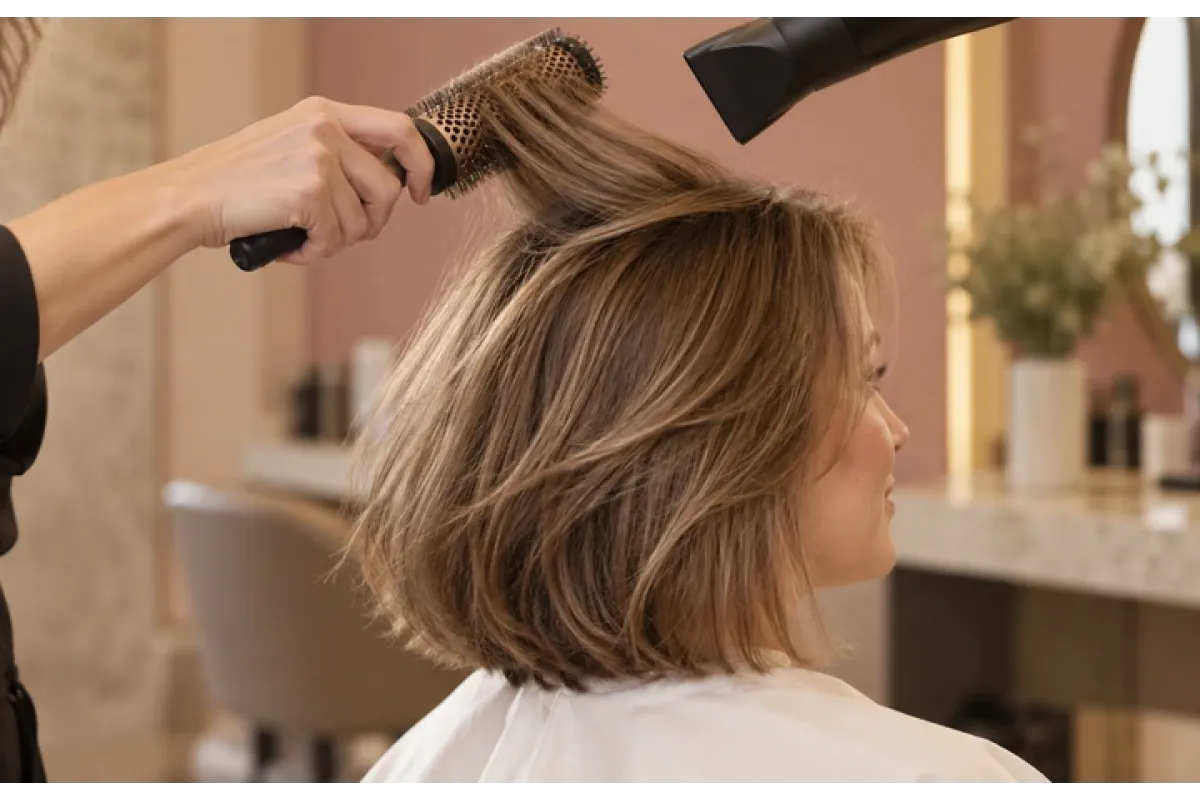
Your hair looks airy in the morning, then sits close to your head by lunchtime. Another product labelled “volume” does not always answer the problem. Start by separating three tasks: cleansing the roots, keeping the lengths soft and creating shape during styling. A single product rarely answers all three questions equally well.
This guide is for fine hair that could use more visible fullness and movement. We will look at your existing routine, explain the difference between conditioner and root spray, and consider what to change when strands feel weighed down. Three Keune Absolute Volume products from Wellness Expert illustrate the different stages. You can begin with one missing step and keep the parts of your everyday routine that already work comfortably.
1. When does your volume disappear?
The roots look flat straight after drying
Check the result before adding finishing products. If the lengths feel soft and clean but the roots barely change shape, consider your drying method and styling product. Buying a richer mask does not address that initial question. First decide whether you want root lift, more texture through the lengths or a firmer hold. These are useful distinctions when reading product descriptions.
The ends feel dry but the style becomes heavy
Check where your conditioner, mask and leave-in cream actually go. The roots and ends may need different approaches. Think of your hair in sections: where do you need help with detangling, and where do you want shape? This makes it easier to review product placement without immediately giving up every softening product in your routine.
Volume fades between washes
Notice when it happens: after sleeping, wearing a hat, adding another styling layer or as the hair becomes less fresh. Those are different comparison conditions. Avoid setting a universal washing interval from the word “fine” alone. It is more useful to consider root freshness, scalp comfort and your daily routine together. This article discusses the cosmetic fullness of a hairstyle, without promising to increase the number of hairs.
2. Four formats with four different roles
On the shelf, these products may appear to belong to one large “volume” category. Identify their role first, then compare texture, application and finish. Words such as “lightweight” or “professional” offer little guidance without those practical details.
| Format | Role in the routine | What to check |
|---|---|---|
| Volumising shampoo | Cleansing before care and styling | Suitability for fine hair and the feel after rinsing |
| Rinse-out conditioner | Softness and easier detangling through the lengths | Amount, application area and thorough rinsing |
| Root spray | Support for shape near the roots | Application to damp or dry hair and the drying method |
| Volumising mousse | Texture and hold during styling | Hold level, distribution and the feel of the finished style |
You do not have to introduce all four formats together. If your shampoo and conditioner already suit you, start by comparing one styling product. Changing a single stage makes it easier to understand why the result feels more manageable or, conversely, heavier. A clear comparison is more useful than a bathroom shelf full of products with overlapping purposes.
3. Adjust cleansing and softness separately
The American Academy of Dermatology recommends shampooing the scalp and applying conditioner to the ends of fine or straight hair. This offers a useful starting point for reviewing your routine.
Read the individual conditioner's instructions for amount, timing and rinsing. Do not automatically carry over the portion you used on a longer or fuller hairstyle. For comparison, remember your usual amount and application area. If hair consistently feels heavy after washing, change one of those details next time while staying within the directions. You will have a clearer idea of what made the difference.
Wanting volume does not mean you should accept tangled lengths that feel unpleasant to touch. Assess two results separately: how freely the roots sit and how easy the ends are to manage. If oily roots and dry lengths are both concerns, our guide to choosing shampoo, conditioner and a mask for different hair sections explores that situation in more detail.
4. Three examples from Wellness Expert
Keune Absolute Volume Amplifying Shampoo, 300 ml. Keune describes a cleansing shampoo for volume and a light feel in fine hair. Consider this stage if cleansing is what you want to reassess first. Compare root freshness and comfort after rinsing, then judge the shape after your usual drying routine rather than expecting the bottle to replace styling.
Keune Absolute Volume Amplifying Conditioner, 250 ml. The brand describes softening and detangling for fine hair with lightweight hydration. This represents the rinse-out care stage. Assess it against the needs of your lengths and ease of combing, using a consistent amount and application area so that the comparison remains useful.
Keune Absolute Volume Lift and Grip Thermal Spray, 150 ml. The brand positions this spray for root lift and flexible hold on towel-dried hair. It illustrates the styling stage. Check the current instructions on your own packaging and decide in advance whether that finish is what you want from a new product.
These examples show three different functions. Buying the entire range is optional, and a shared range name does not mean identical application instructions. What matters is identifying the gap in your own routine. Check ingredients and directions on the current packaging; the brand's stated effects do not guarantee the same result on every haircut.
5. A straightforward home styling sequence
- Start with your usual cleansing. Use shampoo as directed and rinse well. It is easier to assess new styling without remnants of the previous style.
- Adjust care through the lengths. Apply your chosen conditioner to the relevant sections and rinse according to its packaging.
- Choose one volume product. Check the required hair dampness and amount. Do not automatically layer root spray and mousse together.
- Dry and assess the finish. Use a styling method suited to your cut. Compare root lift, strand movement and how your hair feels to the touch.
Keep your familiar parting, brush and drying method for the first comparison. There is no need to learn a new technique and test a new product at the same time. If you struggle to create the shape you want, a hairdresser can demonstrate product placement and brush technique on your particular length. A routine you can repeat is easier to assess.
6. What to check when hair feels weighed down
- Amount. Note how much product you applied. More product does not automatically mean more volume; use the directions and your length as your guide.
- Distribution. Notice whether care collects in one section. Change the application area deliberately while keeping the other stages consistent.
- Layers. Count the leave-in cream, oil, spray and finishing product. Removing one optional layer may make the result easier to understand.
Avoid compensating for a disappointing result with hotter drying. The AAD recommends the lowest heat setting and less frequent use of hot tools. Our guide to heat protection for dryers and straighteners explains how to choose protection. A product's volume purpose alone does not establish heat protection: look for that function in the individual product's directions.
7. Compare results before buying more
Compare several ordinary styling sessions under similar conditions. A photograph just after drying and a short note in the evening help you remember the result. Record lightness, shape, softness at the ends and ease of combing separately. Rain, a hat and a different parting also affect your impression, so one unusual day tells you little about the product on its own.
If a routine only works immediately after a salon appointment, consider whether you can reproduce it at home. A useful purchase should fit your time, skills and preferred finish. Natural movement with moderate lift may be a better personal goal than fullness that requires constant correction. Choose the result you enjoy wearing, rather than judging everything against a single styled photograph.
8. A short checklist before ordering
- Main task: cleansing, softness through the lengths or shape at the roots.
- Application conditions: hair dampness, amount, rinsing and drying method.
- Desired finish: movement, texture and a suitable level of hold.
- Place in the routine: the one stage you want to replace or add.
Begin with a clear task and one change. It becomes easier to choose a product, assess it on your own haircut and keep a balance between airy roots and well-cared-for lengths.
Mila Serani, Skincare & Beauty Editor at Wellness Expert