
Oily Roots and Dry Ends: How to Choose Shampoo, Conditioner and a Hair Mask
Monday 28th September 2026
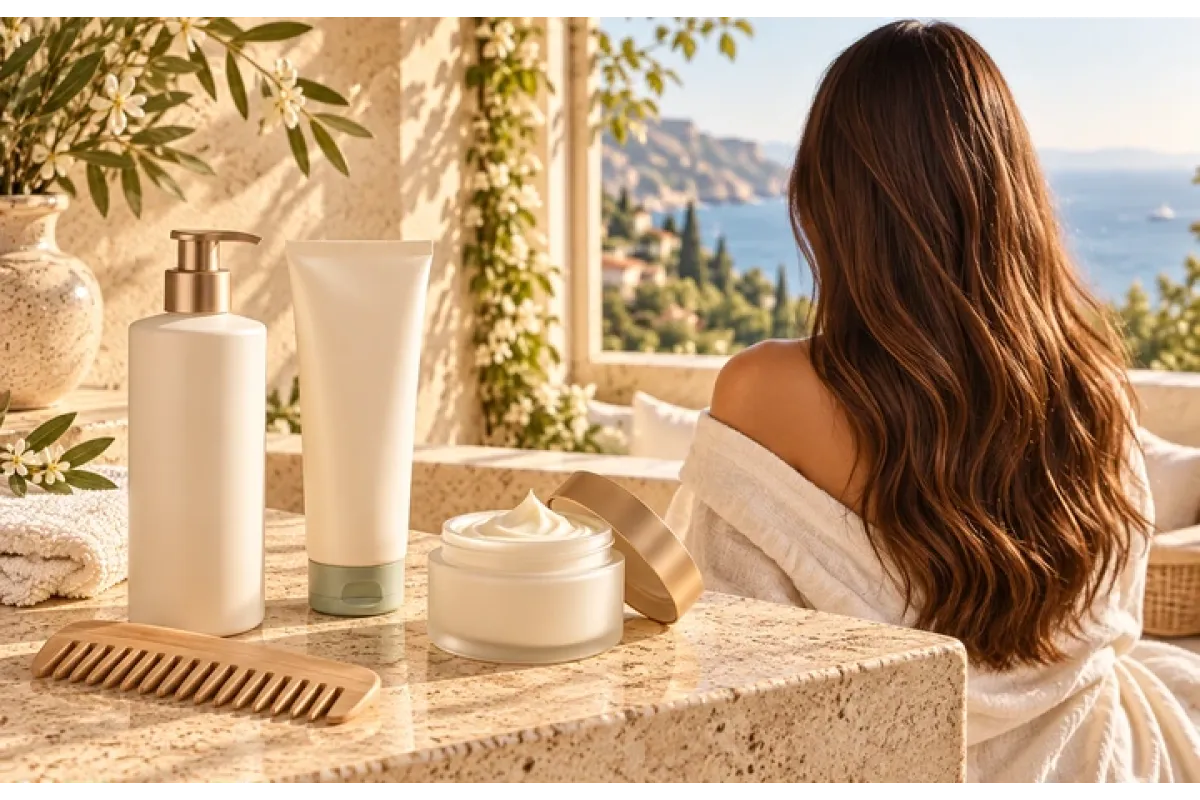
The roots look flat again, yet the ends feel rough and catch on the comb. A richer shampoo seems tempting, but it may leave the hair feeling heavy. A stronger cleanser makes the scalp feel fresh, while the lengths still need care. This combination is a good reason to plan your routine around two separate areas: the scalp and the hair below it.
By Mila Serani, Skincare & Beauty Editor at Wellness Expert
Why oily roots and dry ends can coexist
“Oily hair” describes what you notice near the scalp; it does not describe every centimetre of a strand. The ends have been with you longer and have experienced more brushing, washing, friction and styling. Colouring, bleaching and heat can add to that wear. A glossy root therefore tells you very little about how easily the ends tangle or how much conditioning they need.
Before buying anything, describe your hair in three parts: how quickly the roots become oily, whether the individual strands are fine or thick, and what has happened to the lengths. Fine hair and sparse hair are different: you can have many fine strands, and they can still be weighed down by a generous dose of cream.
Choose shampoo with the scalp in mind
For frequently oily roots, look at shampoos intended for an oily scalp or for regular cleansing. Decide how well a formula suits you by the result after rinsing and drying: the roots should feel clean, and the scalp comfortable. A tight, itchy feeling is a reason to reconsider the product or its use, rather than a useful measure of cleanliness.
There is no need to train the scalp by following someone else's washing calendar. Wash when the roots need it, concentrating shampoo on the scalp; this is also the approach described in the American Academy of Dermatology's hair-care guidance.
“Sulphate-free”, “natural” or “professional” alone cannot tell you whether a shampoo will suit this combination. Consider its intended use, the complete formula and your experience. Colour-treated hair may also have specific maintenance instructions from the colourist. If you need a specialist scalp shampoo, follow its own directions for frequency and contact time.
Conditioner and mask: give each a clear job
Conditioner for the usual wash
Choose a rinse-out conditioner that leaves the lengths easier to handle after drying. For fine strands, start with a light texture and a modest amount on the ends. Thicker or rougher lengths may need more coverage. Keep an ordinary length conditioner away from oily roots; products specifically designed for the scalp have different instructions.
Mask for lengths that need extra attention
A mask can be useful when the usual conditioner leaves the ends feeling rough or tangled. The word “mask” does not guarantee a heavier formula or a particular result: check its hair type and directions. You do not automatically need both products at every wash. Some masks replace conditioner at that wash; other routines specify an additional step. Follow the particular product's instructions, including rinsing and timing.
A quick guide to choosing care
| Your combination | Scalp cleansing | Length care |
|---|---|---|
| Oily roots, fine strands, mildly dry ends | Suitable regular cleansing | Light conditioner, mainly on the ends |
| Oily roots, fine strands, bleached lengths | Scalp-focused shampoo compatible with your colour routine | Targeted mask for fine hair, in a modest dose |
| Oily roots, thick or coarse dry lengths | Shampoo chosen for scalp comfort | More substantial conditioning on the dry areas |
| Oily roots, dry curls or waves | Cleanse according to the scalp's needs | Distribute care through the dry lengths and assess curl definition after drying |
This is a starting point for selection. Two people with the same description may prefer different textures. Change the dose and placement before deciding that an entire product category is wrong for you.
A wash routine you can adjust
- Wet thoroughly. Work through the root area before adding shampoo. Use a manageable amount and spread it across the scalp instead of placing a large blob in one spot.
- Wash gently and rinse carefully. Use your fingertips without scratching. Do not scrub tangled ends together. A second application is an option when needed or directed by the manufacturer, rather than an obligatory ritual.
- Apply length care deliberately. Gently squeeze out excess water, then distribute conditioner or mask over the areas that need it. Start at the ends and leave the oily root area clear.
- Keep to the stated contact time. Extra minutes and a thicker layer are not a reliable shortcut to a better result. Rinse a rinse-out product thoroughly, including the hair at the nape.
- Assess once dry. Note whether the roots have movement, the ends are manageable and the strands feel coated. That gives you a better basis for the next wash than softness while the product is still on the hair.
Examples from the Wellness Expert catalogue
The following products illustrate different roles in a routine. Choose a shampoo and length treatment that suit you; buying every item is unnecessary.
- Davines NaturalTech Rebalancing Shampoo — a scalp-cleansing option intended for excess oil.
- Keune Derma Regulate Shampoo — another shampoo option for oily roots.
- Keune Absolute Volume Conditioner — a lightweight conditioner to consider for fine strands.
- Tahe Organic Care Nutritium Mask — the version intended for fine hair with dry or damaged lengths.
- Tahe Organic Care Nutritium Oil Mask — the version intended for thick hair with dry or damaged lengths.
The distinction between the two Tahe masks is particularly useful when shopping: choose by strand thickness as well as dryness. Read the current pack directions before use, since application methods and formulas can change.
Small mistakes that can make the routine feel wrong
If your hair loses movement after conditioning, try less product, place it lower down and rinse more carefully. If the ends remain rough, check that they actually received the conditioner before switching to a richer mask. Resist adding several oils, creams and sprays at once: it becomes difficult to identify which step helps.
A leave-in product is a separate option for the lengths, not a reason to leave an ordinary rinse-out conditioner on the hair. Heat protection must be stated on the product; a shine oil is not automatically a heat protectant. The AAD's leave-in conditioner guide explains these distinctions.
What a successful routine should achieve
Aim for clean, comfortable roots and lengths that are pleasant to wear and style. Change one variable at a time and compare a few washes under similar conditions. Cosmetics can improve the feel and appearance of damaged ends, but cannot permanently mend a split end; trimming may still be needed.
Persistent itching, redness, substantial flaking or an unexpected change in hair shedding deserves advice from a dermatologist. For everyday product selection, keep the decision simple: cleanse for the scalp, condition for the lengths, and adjust the amount to your strands.